Buy 4, Get 1 FREE on GLP-3R, Tesamorelin, Glow, Klow, and GHK

What is the total volume of your syringe?
Vial icon

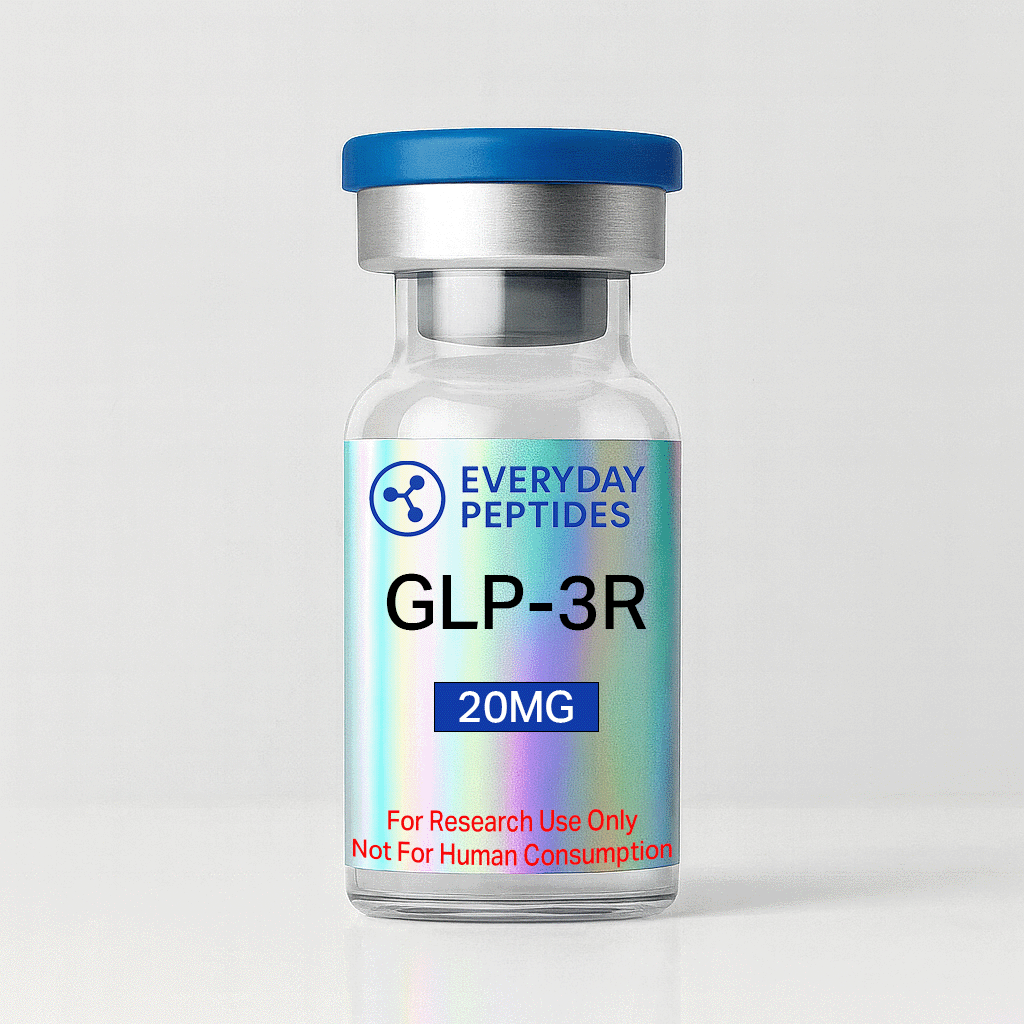
Select Peptide Vial Quantity

Bacteriostatic water icon

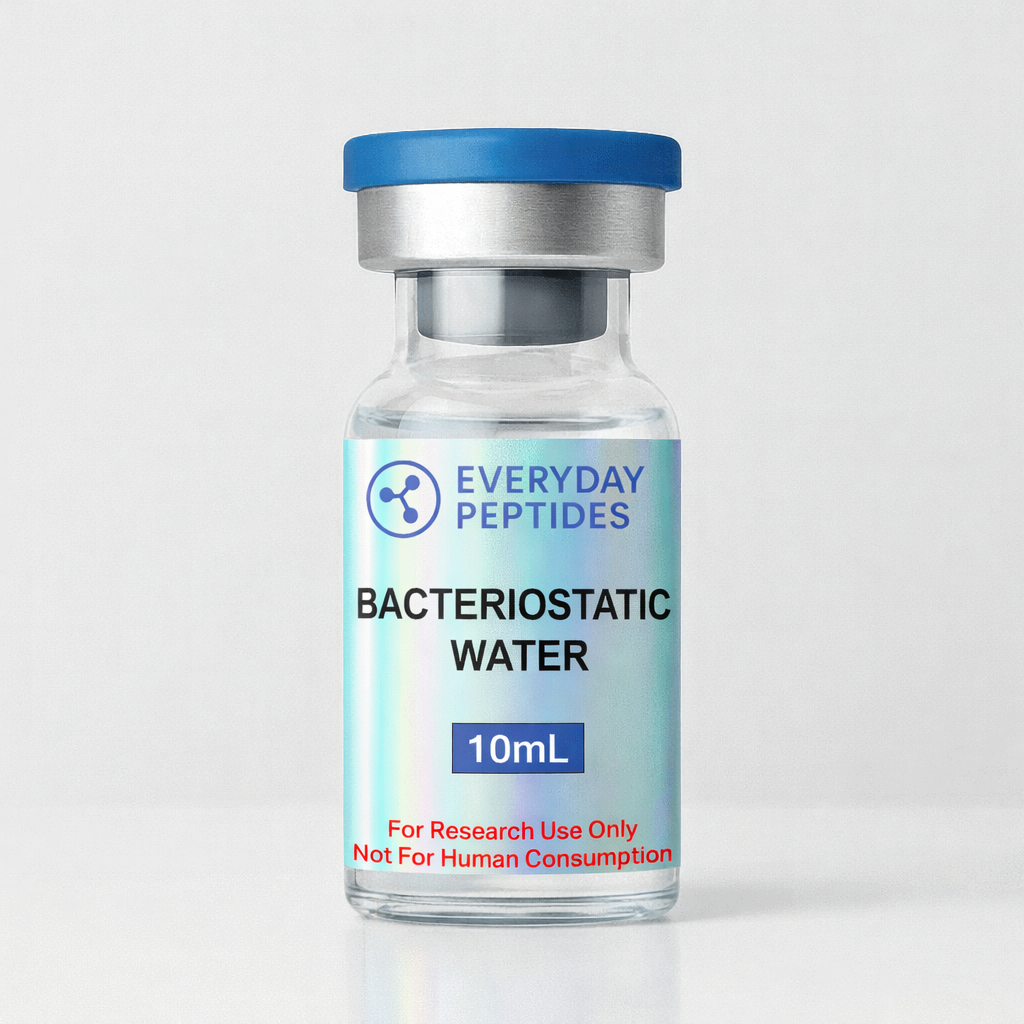
How much bacteriostatic water are you adding?

How much of the Peptide do you want in each dose?

To have a dose of 50 mcg pull the syringe to 1

Warning: Syringe volume is not sufficient for specified dosage
(Shows insulin “units” on a U-100 syringe; 100 units = 1 mL.)

Correct Peptide Reconstitution

Our peptides are delivered in the form of lyophilized, i.e. freeze-dried powders, which are resistant to short-term temperature fluctuations during transport. At room temperature, peptides in powder form remain stable even for several weeks. But it is essential to store them properly to maintain their integrity.

Before usage for research purposes, the lyophilized powder must be reconstituted by mixing it with an appropriate solvent to form a solution. Accurate reconstitution is vital to ensure that the peptides retain their potency and bioactivity for further research and trials.

Start Preparing the Environment

As with all research work, for successful peptide reconstitution absolute sterility and purity are required when preparing the conditions. Begin by thoroughly washing your hands and donning sterile protective clinical gloves and goggles. Ensure that your workspace is impeccably clean, and that you have all the necessary tools:

  • Lyophilized peptide in a glass vial
  • Sterile syringe
  • Solvent (Bacteriostatic water)
  • Alcohol Swabs 

Cleanliness and sterility of the environment is very important for accurate research results.

Peptide and Solvent Preparation

The process of peptide reconstitution requires careful selection of the solvent based on the specific properties of the peptide. At Particle Peptides, we recommend and provide bacteriostatic water for this purpose.

Before reconstituting the peptide, ensure that the peptide powder and solvent that were stored in the cold are brought to the room temperature. Using the solutions while they are still cold may interfere with the reconstitution process.

Carefully remove the central part of the metal cap from the vial and disinfect the upper surface with an alcohol swab. This step is crucial for maintaining sterility and preparing the vial for the reconstitution procedure. Repeat the same cleaning process for the solvent vial.

Adding the Solvent

Precise handling is crucial when adding solvent to the lyophilized peptide. Using a sterile syringe, carefully withdraw the required amount of solvent and slowly inject it into the peptide vial. Tilt the vial at a 45° angle to allow the solvent to gently run down the interior wall.

This method helps minimize the formation of bubbles and foam, ensuring a smooth and even dissolution of the peptide.

Storage of Peptide Solutions

Proper storage of lyophilized peptide powder is crucial for maintaining its stability. Store the peptide powder at a minimum of +4°C for short-term use, and ideally at -20°C or lower for long-term storage. Peptide solutions, once reconstituted, have a limited shelf life. To extend their viability, consider freezing aliquots of the solution.

In general, peptide solutions remain stable for 3 or more weeks at +4°C and 3-4 months at -20°C. Avoid repeated cycles of freezing and thawing, as these can compromise peptide integrity.

Our commitment is to offer researchers expert guidance and high-quality peptides for scientific research. Please note that these instructions are intended solely for informational purposes, human consumption is forbidden.

Scroll to Top

Disclaimer!

Disclaimer! All products are sold in powder (lyophilized) form and require reconstitution with a suitable diluent for research purposes only. Research supplies (e.g., syringes, bacteriostatic water) are not included. No dosing instructions are provided. We adhere to all local and state laws around Research Only Chemical sales. We are not a pharmacy, nor do we promote or provide any advice for human or animal consumption. Please review our terms and conditions carefully before making a purchase on our website.

By entering this site, you confirm that you are a qualified researcher, at least 21 years old, and you agree to adhere to all local and federal laws regarding Research Use Only materials.

You must be 21+ to proceed.

I Disagree
0